
Pediaspeech Blog

girl on playground

How To Teach the Basics of Motor Planning

Have you ever tried to bring in all of your groceries at once, just to save another trip to the car?  This requires significant motor planning.  Motor planning, also known as praxis, is the ability to perform a new or skilled motor task, and is dependent upon adequate body awareness,


Read More
child who is a picky eater

Does My Picky Kid Need Feeding Therapy?

One of the basic jobs of a parent from the time their child is born is to make sure they are getting enough to eat. As a newborn this is based on amount of breast milk or formula they drink and we have a little more control of how much

Read More

Myofunctional Exercises Anyone can do at Home

Did you know exercise for your health is not only limited to your arms, core, and legs? Some activities can target your facial muscles and tongue, too. Just like workouts in the gym improve muscle strength and posture, Orofacial Myofunctional Therapy provides a workout for tongue and facial muscle strength

Read More
girl engaging in virtual speech therapy

Why Choose Online Speech Therapy?

At the beginning of the 2020 Pandemic, everyone of course experienced fear of the unknown while we learned how our new day to day would be conducted. For us at Pediaspeech and other Speech and Occupational therapists, this looked like a scramble to figure out how to keep providing our

Read More
girl holding building blocks

Phonological Awareness Skills All Kids Need to Learn

As a Speech-Language Pathologist, I often see clients come into my office concerned about their child’s reading abilities. But what many people don’t know is that there are vital pre-reading skills (also called phonological awareness skills) that can be taught to set children up for future reading success! What is

Read More
virtual speech therapy

5 Benefits of Doing Occupational Therapy Through Telehealth

It’s hard to believe that almost three years ago we were ‘forced’ to switch to teletherapy for occupational therapy services. Today, we are still providing teletherapy; but this method of treatment is anything but forced. There are several unique benefits of doing occupational therapy through telehealth. Convenience This may be

Read More
PROMPT therapy

What is PROMPT Therapy?

PROMPT stands for Prompts for Restructuring Oral Muscular Phonetic Targets. PROMPT can be used to treat speech delays and disorders, specifically helpful in treatment of Childhood Apraxia of Speech. The PROMPT technique uses a tactile approach that cues a client’s articulators (tongue, jaw, lips) on the proper placement to produce

Read More
girl eating an orange slice

Feeding Therapy Techniques to Try At Home

When evaluating new clients, I often hear kids described as “picky eaters” or mealtimes that sound like a battle zone. Feeding difficulties can be a challenging and frustrating experience for both children and parents. Children with feeding difficulties may have trouble swallowing, chewing, using utensils, managing appropriate amounts of food

Read More
teletherapy for apraxia

Treating Childhood Apraxia of Speech through Telepractice

Childhood Apraxia of Speech (CAS) is a developmental disorder that is typically diagnosed by 2 years of age. Children with apraxia present with inconsistent speech sound errors on consonants and vowels and in repeated productions of syllables and words. Usually, these children also have difficulty imitating their parents when asked

Read More

Feeding Treatment: A Team Approach

For treating babies that require feeding therapy, there are no cases that are similar. That’s why it’s important to have a technique that uses multiple perspectives to both evaluate and treat each case. This is exactly what has been initiated at PediaSpeech recently. Jennifer McCullough M.S. CCC-SLP and Julia Marvil

Read More
tongue tied patient

Tongue-Ties

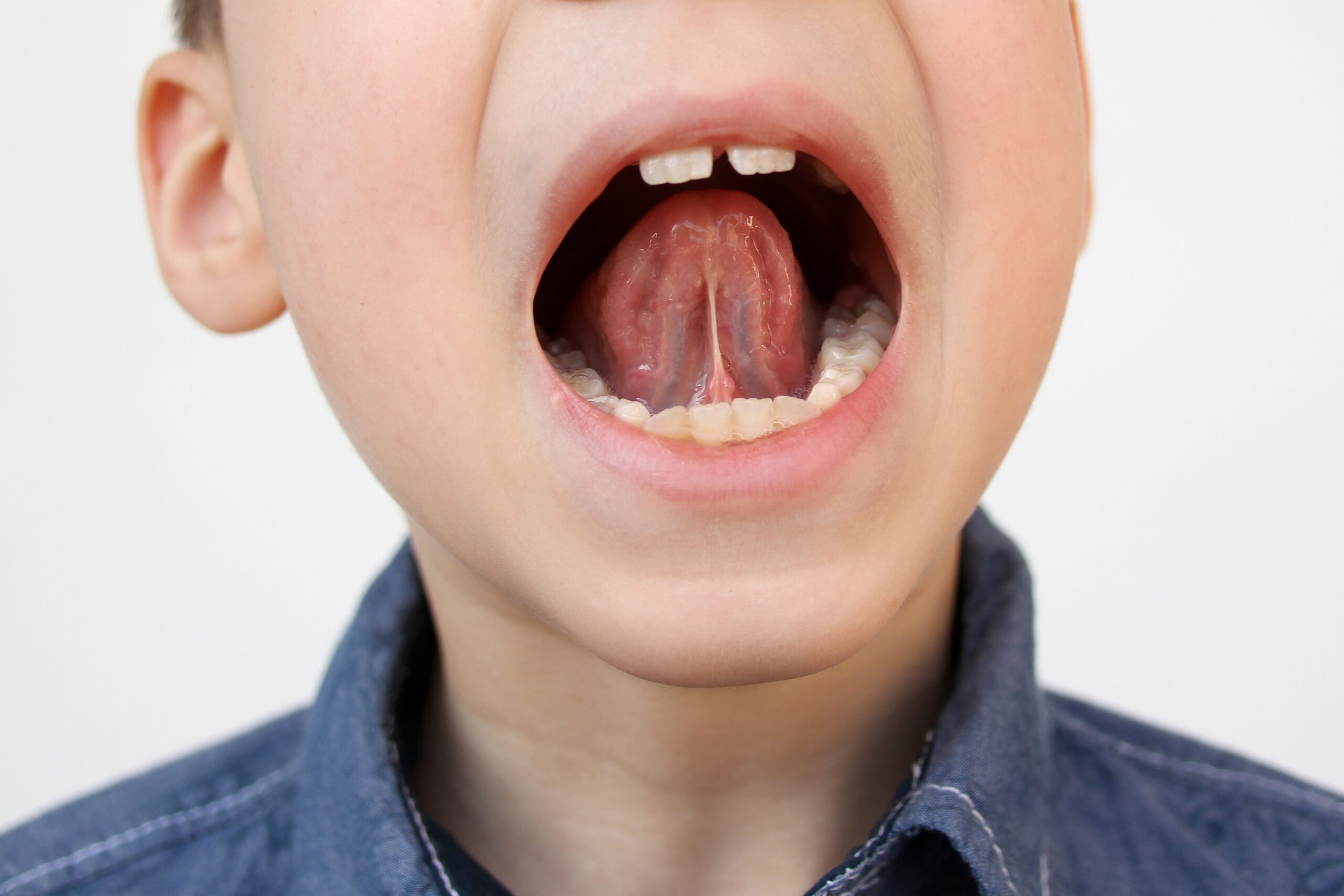
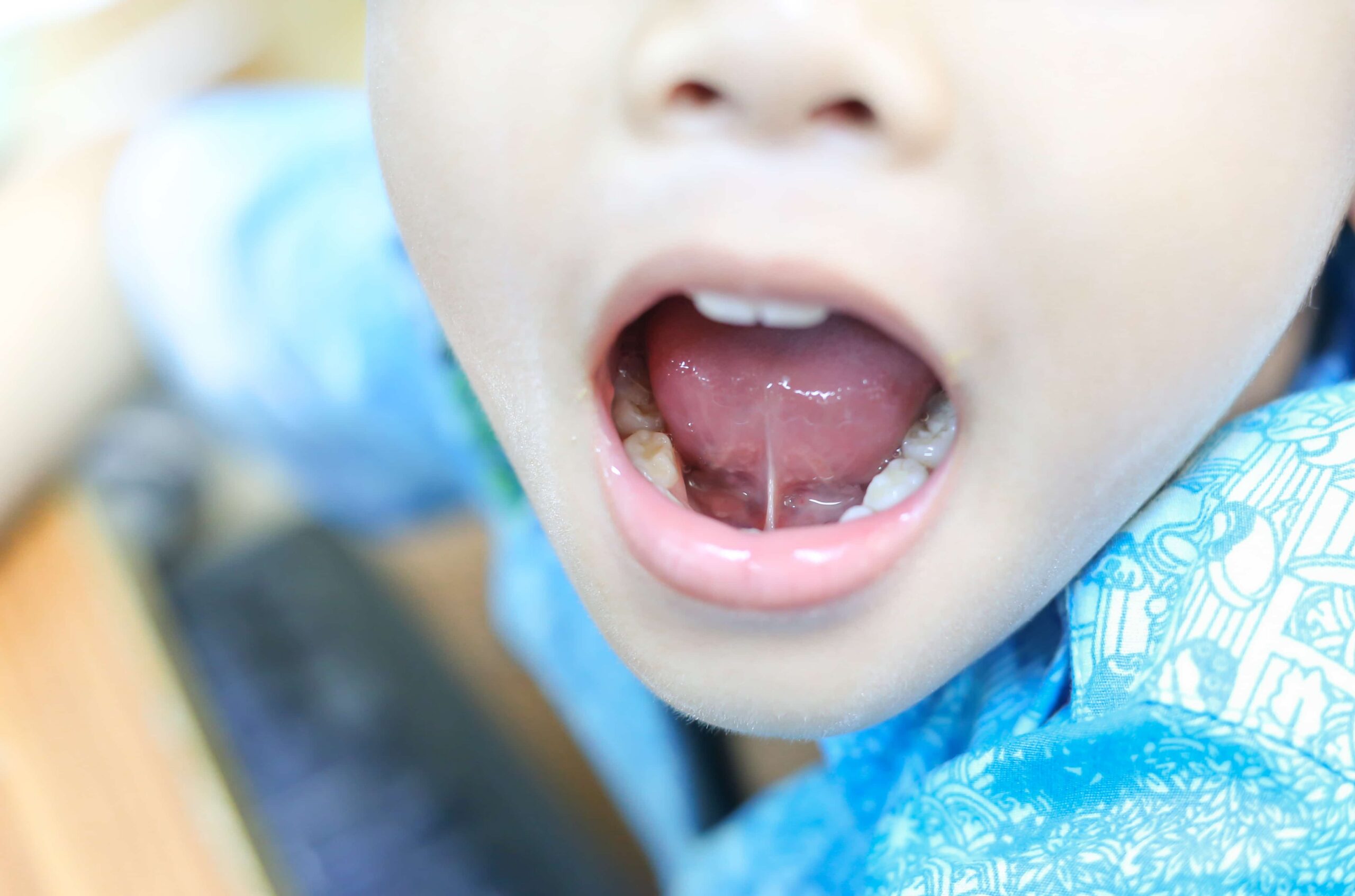
Being tongue tied isn’t just a figure of speech. For people with a tongue tie, speaking, eating, and dentition may be affected by a small piece tissue sitting under the tongue.  A tongue tie, or “ankyloglossia,” is a condition where there is a thick, tight, and/or shortened band of tissue

Read More
Scroll to Top